Empowering Cancer Survivors: Essential Resources and Community Support for Your Journey
Understanding the journey of a cancer survivor can often look like navigating a complex maze. Each twist and turn represents a choice—be it in treatment options, supportive health resources, or joining a vibrant cancer community. While this journey can be overwhelming, it also presents opportunities to gain resilience, embrace holistic health practices, and foster connections that can illuminate the path ahead. Have you ever considered how essential a well-rounded approach to oncology can be for survivors? Let’s delve into the essential resources available to navigate the oncology landscape more effectively.
When you first receive a cancer diagnosis, it’s like receiving a sudden wake-up call that demands your attention. You might find yourself bombarded with medical information, treatment options, and the overwhelming weight of disease awareness. During such times, patient advocacy becomes invaluable. For instance, organizations dedicated to cancer care often provide not just guidance on treatment pathways but also access to educational materials tailored for cancer survivors. Imagine having a guide who truly understands the intricacies of the healthcare system—wouldn't that feel like a tremendous relief?
Support groups play a crucial role in the recovery journey of cancer survivors. These gatherings, whether in-person or virtual, foster a sense of belonging and understanding. They serve as safe havens where you can share your thoughts and feelings about treatment, symptom management, and even mental health in cancer. Stories of survival often emerge from these circles—reminders that you are not alone in the struggle. Who wouldn't feel uplifted hearing about someone triumphing over the very challenges they face? The shared experiences in these support communities can serve as a powerful source of motivation and education.
Moreover, rehabilitation for cancer patients isn’t merely a physical endeavor; it intertwines with health tips that promote overall wellness. Did you know that integrating exercise and nutrition can enhance your recovery significantly? By participating in clinical trials or discussions about preventive care, survivors can have a hand in shaping their treatment journey while also benefitting from the latest innovations in cancer care. This proactive approach often leads to enhanced well-being, transforming setbacks into comebacks!
Lastly, as you move through this landscape, remember that access to reliable cancer information is crucial. Seek out reputable health and wellness resources that can inform and empower you to make educated choices. With a wealth of knowledge at your fingertips, along with the support of a vibrant cancer community, you can transform your patient experience from one of mere survival to one of thriving. How will you embrace the resources available to you as you steer through this journey?
Building a Supportive Community: How Patient Advocacy Enhances Cancer Journeys
When it comes to navigating the turbulent waters of a cancer diagnosis, many individuals often find themselves adrift, searching for answers and connections that can make sense of their reality. The journey through oncology can be overwhelming; however, the presence of a supportive community can transform the experience from daunting to empowering. Building a supportive community is not just beneficial; it is essential. Patient advocacy is a beacon of hope that illuminates pathways towards healing, education, and solidarity among cancer survivors.
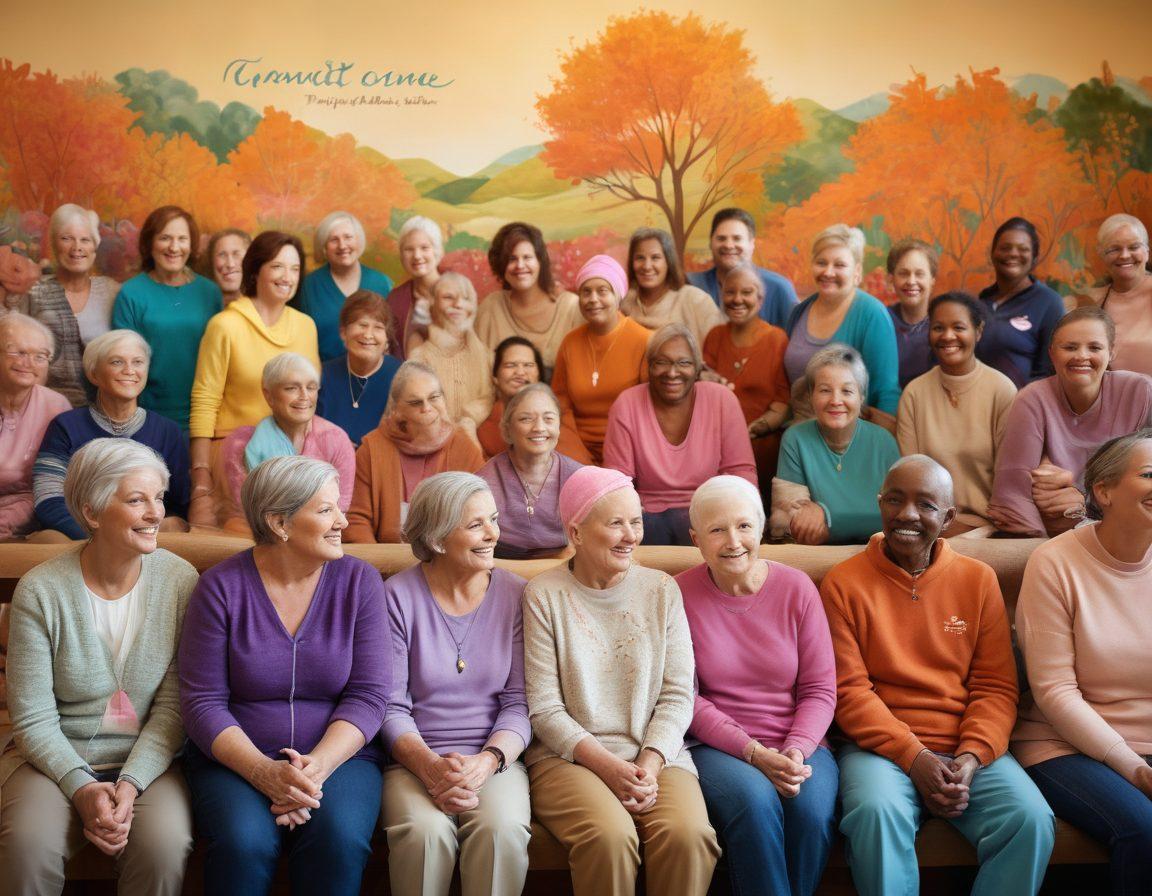
Imagine standing in a room full of people who understand your journey; individuals who have walked the same roads, faced similar demons, and celebrated the little victories in life after cancer. This image is the heart of patient advocacy. The connections forged within a cancer community are not built in isolation. They grow through shared experiences, emotional support, and the dissemination of invaluable health resources. This gives rise to numerous support groups, workshops, and events that focus on cancer education and rehabilitation for cancer patients. How do you find such a community? It begins with seeking out local or online support groups where relational bonds are nurtured and knowledge is freely shared.
Engaging in these communities often leads to enlightening conversations where peers exchange health tips and wellness advice. Whether it's discussing treatment options, the latest clinical trials, or symptom management strategies, patient advocacy facilitates an environment where information is accessible and empowering. For instance, a cancer survivor might say, 'I wouldn’t have known about this treatment option if it weren’t for the support group I joined. It saved my life.' Such quotes reflect the invaluable role of advocacy in cancer care, showing how collective knowledge and shared patient experiences can lead to informed choices and better outcomes.
Moreover, the role of patient advocacy extends beyond emotional support; it also plays a critical role in fostering disease awareness. Many communities organize outreach programs bringing awareness to preventive care and mental health in cancer. They combat the stigma surrounding this disease and educate the public about the importance of early detection. Activism within these circles is not just about individual survival; it’s about collective strength and resilience. Advocacy empowers survivors to become voices of hope and agents of change, questioning current treatment protocols and demanding better outcomes for future patients.
As you embark on or continue your journey through cancer, consider the power of community. Seek out local events, online forums, and informative workshops that can bring you closer to those who share your struggle. Remember, you are not alone in this fight. Building relationships within the cancer community fosters a sense of belonging while providing essential medical information and holistic health approaches. Embrace the strength of patient advocacy; it might just transform your path, offering light where you once saw only darkness. What will your story of resilience and empowerment look like?
Thriving After Triumph: Empowering Cancer Survivors with Holistic Health and Wellness Tools
When one emerges from the depths of a cancer battle, the journey doesn’t just end; it continues to unfold into uncharted territories of life. For many cancer survivors, this ‘new normal’ can feel both exhilarating and daunting. Imagine standing at the brink of a beautiful horizon after years of treatment—ready to thrive rather than just survive. This compelling narrative is what the cancer community embodies: transformation, resilience, and hope. But how do you effectively navigate this vast landscape of life post-cancer treatment? The answer lies in the embrace of holistic health and wellness tools designed specifically for cancer survivors.
When it comes to cancer care, we often focus on the physical aspects: treatment options, clinical trials, and rehabilitation for cancer patients. What many forget, however, is the profound connection between mind and body. Mental health in cancer is crucial for recovery, and survivors must recognize that this journey involves emotional rehabilitation just as much as physical. Reaching out to support groups can be liberating; it’s a chance to share patient experiences and foster camaraderie with those who truly understand. 'In the community, we find strength together,' a survivor once said—and as simple as it sounds, this statement encapsulates the power of shared experiences and triumph.
Diving into the ocean of health resources available can be overwhelming, but understanding holistic health doesn’t have to be. Health and wellness go beyond just the absence of disease; they encompass mental, emotional, and social well-being too. Integrative approaches like yoga, meditation, and nutrition can empower survivors in managing symptoms and reducing stress. Furthermore, becoming well-versed in cancer education unlocks the door to making informed choices, whether about preventive care or adjusting lifestyle habits that promote overall wellness. Ask yourself, how can I redefine my body’s relationship with nourishment and mindfulness?
As the disease awareness chat begins to explore the topics of supportive care, it’s vital to stay informed about emerging health tips and continuous medical information. Local organizations and online platforms provide tools not just for treatment, but living well afterward. Engaging with these resources allows survivors to advocate for themselves—demanding evidence-based options and voicing their unique needs in oncology settings. A quote to remember is, 'We are our best advocates,' and taking charge of your health can lead to longer-term benefits and a proactive lifestyle.
Having walked through the fire, cancer survivors deserve access to all the support available—be it traditional medication, alternative therapies, or lifestyle changes. Embracing the concept of thriving after triumph involves a commitment not just to survive, but to flourish. Whether it’s through community involvement, tapping into health and wellness resources, or leaning on one another in support groups, survivors can come together to foster an environment of care, education, and empowerment. So, what will your next chapter look like after cancer? The possibilities are endless, and the best is yet to come.